


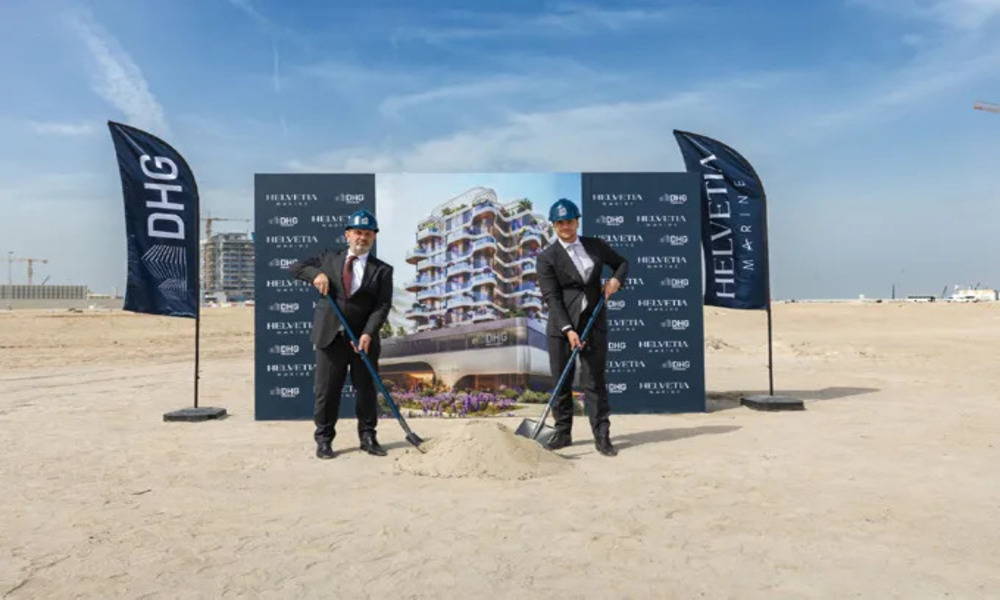

DHG Properties has commenced work on Helvetia Marine, its premium waterfront residential development on Dubai Islands.
The milestone marks the project’s transition into its next phase of development, placing Helvetia Marine on track for delivery to homeowners and investors in Q1 2028.
Helvetia Marine is said to be strategically positioned within Dubai Islands, a large-scale coastal destination undergoing significant development as part of Dubai’s long-term urban vision and emerging as the top-performing location for off-plan apartment sales during April.
Spanning a built-up area of 12,938sqm, Helvetia Marine is designed as a low-rise, design-led residential offering. The development features a curated mix of 1-3 bedroom apartments, alongside a limited collection of duplex and garden residences.
With architecture inspired by coral formations and interiors influenced by refined yacht living, the project brings together an understated luxury and functional design. Select residences offer double-height ceilings, private landscaped areas, and enhanced indoor-outdoor living, complemented by amenities including a panoramic rooftop infinity pool, landscaped gardens, fitness facilities, and dedicated social spaces, said a statement.

“Helvetia Marine reflects our continued focus on delivering high-quality developments in locations that are shaping Dubai’s next phase of growth,” said Blagoje Antic, CEO and Founder of DHG Group. “The fact that the project is fully sold out at this stage is a strong indicator of how buyer expectations are evolving, particularly towards waterfront living that combines design, privacy, and long-term investment value. Our approach remains consistent – bringing Swiss precision into markets where we see sustained, fundamentals-driven demand.”
With construction progressing at Helvetia Marine, DHG Properties continues to expand its footprint across Dubai’s key growth districts. The company’s first development, Helvetia Residences in Jumeirah Village Circle, is on track for completion in July 2026, while Helvetia Verde in Meydan Horizon recently broke ground, reflecting approximately US $354mn in combined project value and DHG Properties’ focused strategy to deliver Swiss-quality, future-ready real estate across the emirate, the firm said.
“Dubai Islands is evolving into a destination that appeals to a new generation of buyers looking beyond traditional residential offerings,” remarked Milos Antic, the Executive Vice Chairman of DHG Group.
“What is driving momentum in the area is the scale of long-term planning taking place around it. Buyers today are paying closer attention to how communities will develop over the next decade, and Helvetia Marine was positioned to align with that future-focused demand for well-connected, lifestyle-oriented coastal living, while maintaining the exclusivity and attention to detail that define the Helvetia brand,” he added.
Source: MEConstructionNews
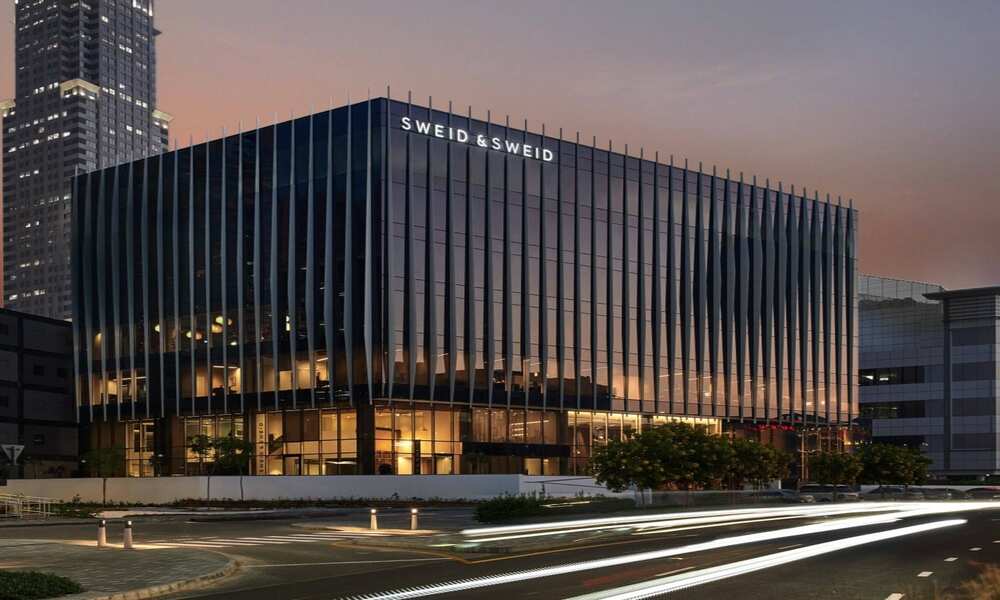

Sweid & Sweid has signed The Executive Centre (TEC) to operate over 53,000sqft of premium flexible workspace at Sweid One, introducing a high-quality serviced office offering in Jumeirah Lakes Towers (JLT) within the DMCC freezone.
The agreement marks TEC’s entry into DMCC and further strengthens its footprint across the UAE’s most strategic commercial districts. The new location complements TEC’s existing portfolio in the region, including approximately 96,875sqft at Dubai World Trade Centre, 32,292sqft at One Za’abeel, and 53,820sqft at Abu Dhabi Global Market (ADGM).
At Sweid One, TEC will occupy 2 full floors to create a premium flexible workspace destination featuring private offices, collaborative work areas, executive meeting suites, boardrooms, and event facilities, all supported by dedicated on-site teams and integrated enterprise infrastructure. Designed to support both immediate occupancy and future expansion, the centre will enable businesses to scale efficiently without the constraints of traditional leasing models. This offering reflects the growing demand for agile, hospitality-led workspaces that combine operational flexibility with a high-quality workplace experience in strategically located business districts.
Sweid One spans approximately 1m sqft of built-up area, including approximately 500,000sqft of Grade A office space. Developed to international architectural and sustainability standards, the project has been designed to support future workplace requirements with large, efficient floor plates, 4m floor-to-floor heights, energy-efficient HVAC systems, premium solar-efficient glazing, and LEED-aligned sustainability specifications.
The development will also feature a strong amenity offering, including Boon Coffee, The Kitchen by Spinneys Food Hall, and a premium restaurant with an outdoor terrace to be announced shortly, providing high-quality dining and convenience on site, said a statement.

Positioned within one of Dubai’s most vibrant business ecosystems, the development offers occupiers direct access to over 600 cafes and restaurants and 300+ retail and convenience stores, creating a highly connected live-work-play environment attractive to both businesses and talent. The location also provides seamless connectivity to Sheikh Zayed Road, Sheikh Mohammed Bin Zayed Road, and 2 metro stations, while benefiting from DMCC’s position as one of the world’s leading freezones and home to over 25,000 registered companies, it added.
TEC’s presence is said to enrich Sweid One’s broader ecosystem, extending its appeal to both established enterprises and fast-growing businesses operating within the DMCC community. Beyond conventional leasing, TEC will provide occupiers access to premium meeting rooms, enterprise event spaces, flexible project offices, and short-term expansion capabilities within the building itself.
Maher Sweid, Managing Partner of Sweid & Sweid added, “Across our portfolio, we have worked closely with a broad range of occupiers, giving us a clear view of how commercial real estate requirements are changing. Businesses today want high-quality assets that can support different stages of growth, with the flexibility to expand and adapt without unnecessary complexity. This has directly informed Sweid One’s positioning. Alongside its Grade A office space and fully fitted units, the addition of The Executive Centre introduces a premium flexible workspace layer, giving occupiers access to a wider range of additional workplace solutions within the same building. This further establishes Sweid One’s as one of JLT’s most compelling new commercial addresses.”
Ketan Trehan, Regional Director – Middle East, The Executive Centre added, “Our expansion into Sweid One is one of our most significant commitments to the UAE market to date – and a reflection of the confidence we have in DMCC as a destination for the region’s most ambitious organisations. Our expansion into DMCC complements our positioning across the UAE’s key markets from DWTC to ADGM. Partnering with Sweid & Sweid was a straightforward decision, when values align on design, quality, and the conviction that workspace should elevate the people within it, everything else follows. We are proud to be the first truly premium flexible operator in DMCC.”
Source: MEConstructionNews
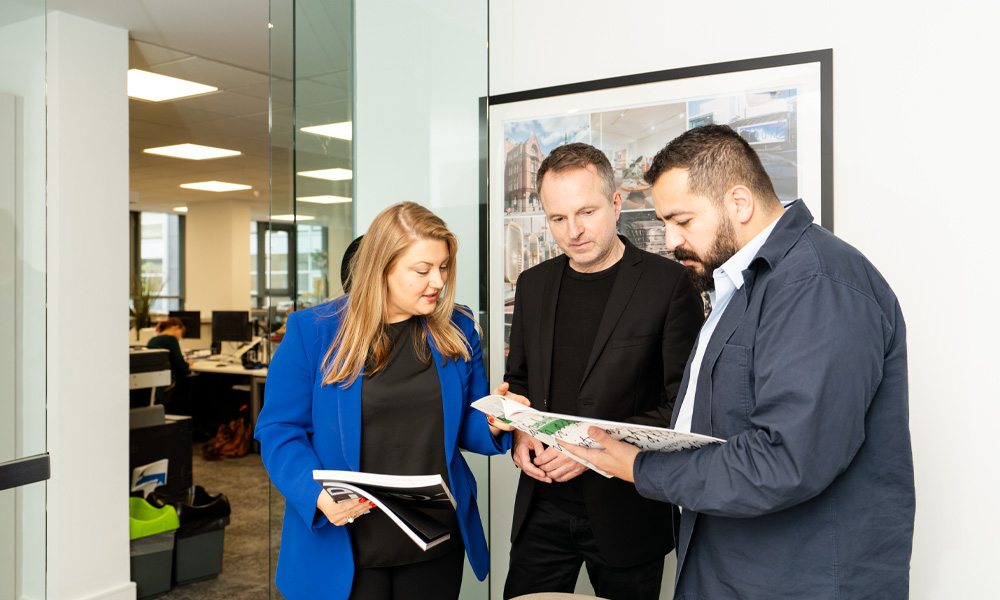

FRM Urban is expanding its presence across the Middle East; the growth is driven by the increasing demand for holistic, human-centred approaches to urban development.
As cities in the region continue to evolve rapidly, FRM is positioning itself to contribute to the next phase of urban transformation. This phase emphasises the functionality, connectivity, and support of cities for their residents, said a statement.
The firm said that it leverages its expertise in architecture, urban design, and development strategy to create cohesive, forward-thinking environments that address both current needs and long-term aspirations.
Urban development in the region is becoming increasingly interconnected. Stakeholders are moving beyond standalone developments to adopt more comprehensive urban frameworks that integrate various aspects such as mobility, public realm, land use, and community experience.
The firm is led by three partners whose combined experience spans landmark projects across the MEA, Europe, the United States and Australia. Hannah Fisher brings expertise in design strategy and architecture, Bernhard Rettig contributes more than 25 years of international experience in urban design , sustainability and placemaking, while Wagdy Moussa specialises in urban regeneration and complex development projects across international markets, the statement noted.

Hannah Fisher, Partner, FRM Urban said, “Across the region, there is a clear shift towards more connected ways of thinking about cities. It’s no longer just about delivering individual developments, but about how different elements come together to create environments that function well, feel cohesive, and respond to the needs of the people who use them. At FRM, we approach each project through that wider lens, balancing long-term vision with the realities of delivery to ensure that what is designed can genuinely be realised.”
Bernhard Rettig, Partner, FRM Urban added, “As cities continue to grow and evolve, the quality of the spaces between buildings becomes just as important as the buildings themselves. Successful urban environments are those that create a strong sense of place, encourage interaction, and support long-term sustainability. Thoughtful urban design has an important role to play in shaping communities that are both resilient and meaningful.”
Wagdy Moussa, Partner, FRM Urban stated, “Today’s urban challenges require multidisciplinary thinking that connects architecture, culture, environment and community needs from the outset. We are seeing increasing demand for places that are adaptable, distinctive and capable of creating lasting value for both residents and stakeholders.”
Operating across a diverse portfolio, FRM’s work spans large scale masterplans, mixed-use developments, urban revitalisation initiatives, residential projects, and site-specific installations. The practice is defined by its ability to bridge strategy and design, ensuring that each project is grounded in both vision and practical implementation.
FRM continues to collaborate with stakeholders from the public and private sectors across the Middle East, the United Kingdom, and beyond to deliver projects that support sustainable growth, resilience, and improved quality of life, the statement concluded.
Source: MEConstructionNews
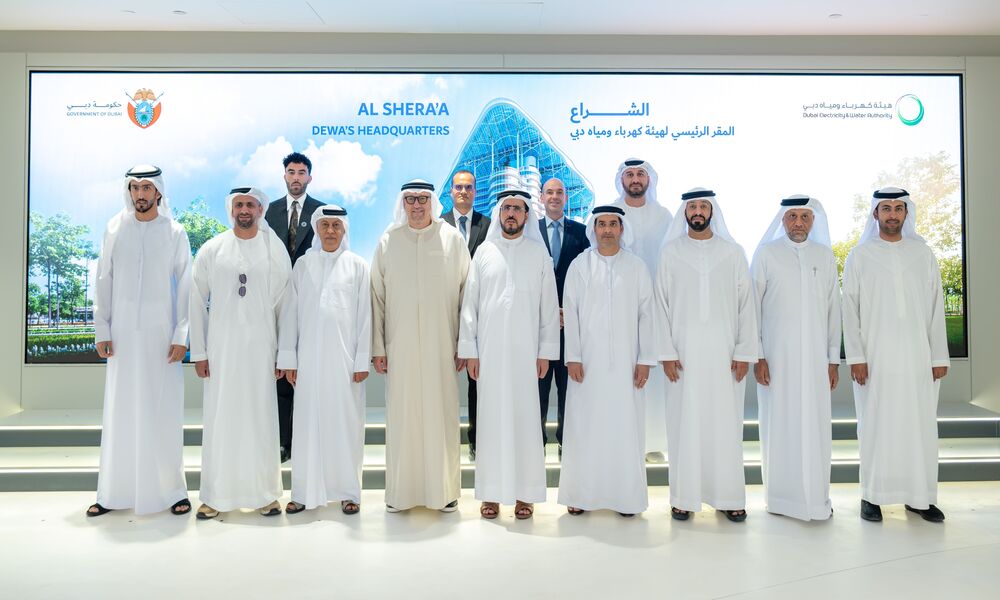

Saeed Mohammed Al Tayer, MD and CEO of DEWA received Mohamed Jameel Al Ramahi, CEO of Masdar, and his delegation at Al Shera’a, DEWA’s new headquarters in Al Jaddaf. The building is said to be the world’s tallest, largest and smartest net-positive government building.
In a report from WAM, the Masdar delegation toured Al Shera’a and learned about DEWA’s key global performance indicators and the building’s prominent features. Al Shera’a introduces a concept for sustainable buildings based on the integration of smart solutions within a comprehensive cognitive system that senses, analyses and responds. This approach positions it as the world’s smartest government building, enabled by the Internet of Things (IoT), Big Data (BD) analytics and Artificial Intelligence (AI).
The delegation was briefed on the building’s integrated system, which connects all operational functions. More than 110,000 smart sensors monitor environmental and operational data in real time, supported by over 1,500 wireless access points and more than 3,200 network devices working in sync. Together, these systems generate more than 1.9m automated control commands daily, strengthening operational alignment and improving performance efficiency, said a statement.

Al Shera’a aims to establish a new global benchmark for net-positive buildings that produce more clean energy than they consume, while offering a smart and sustainable work environment that places people at its core. The building reflects DEWA’s commitment to supporting the objectives of the Dubai Clean Energy Strategy 2050 and the Dubai Net Zero Carbon Emissions Strategy 2050 by improving resource efficiency, reducing emissions and accelerating the transition to a green, innovation-led economy.
The building comprises 19 floors, along with a ground floor and basement, and has a built-up area of more than 2m sqft. It was designed to achieve Leadership in Energy and Environmental Design (LEED) Platinum certification and WELL Gold certification, the leading global standard for healthy and people-centric buildings. Al Shera’a stands as a global model for future buildings, blending AI, resource efficiency, sustainability and quality of life.
Source: MEConstructionNews
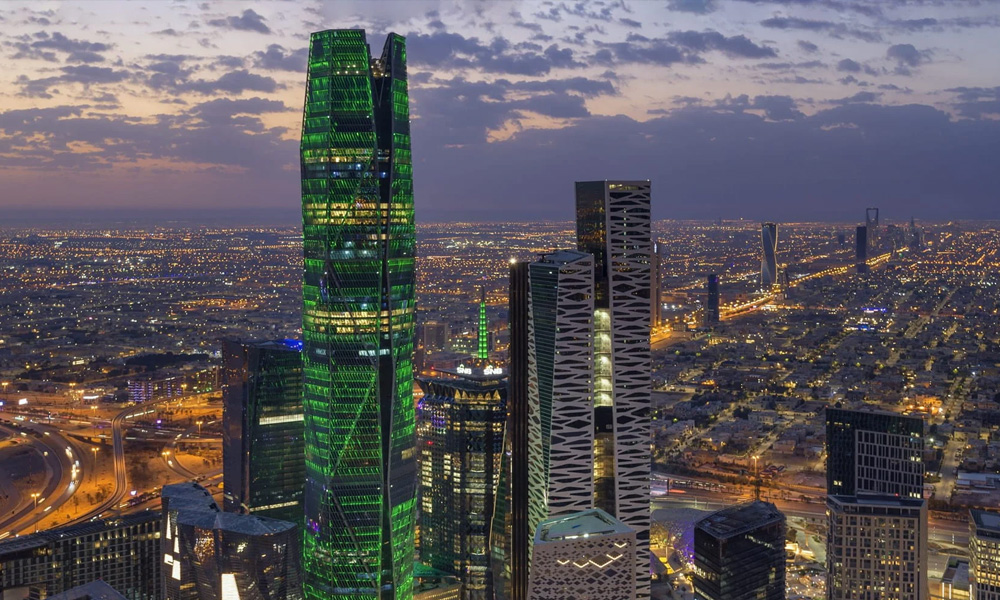

Saudi Arabia’s Ministry of Investment has introduced new requirements for non-resident foreign companies interested in purchasing property in the Kingdom without engaging in economic activities. This significant regulatory update is part of the Investor Guide 2026.
The move aligns with Saudi Arabia’s ongoing efforts to refine its investment framework and enhance transparency regarding foreign real estate ownership. As reported by the Saudi Gazette, these changes are in line with the Kingdom’s new Investment Law.
The ministry specifies that foreign companies seeking to own property must submit a commercial registration certificate issued in their home country. This document must be translated by an accredited translation office and authenticated by the Saudi Embassy.
Companies are also required to submit their articles of incorporation, which must be translated and certified through the same process. Additionally, applicants must submit an authorisation document appointing a company representative, which must be translated and authenticated by the Saudi Embassy.
Companies also need to appoint a natural person as their authorised representative through a certified power of attorney to complete registration procedures. The ministry noted that companies without an identification document recognised under Saudi regulations must obtain a digital identity through Saudi diplomatic missions abroad before proceeding with the registration process.

For annual registration updates, the Ministry of Investment stipulated that no changes should have occurred to a company’s ownership structure or management after its registration. Officials announced that the service is now available immediately through the ministry’s electronic portal, providing foreign firms with a streamlined process to complete registration requirements.
A significant addition to the Investor Guide 2026 is a dedicated chapter titled Registration of Non-Saudi Companies for Property Ownership Purposes. This chapter outlines the procedures governing foreign corporate ownership of real estate in the Kingdom.
The chapter covers various aspects, including registration requirements, the appointment of authorised representatives, obligations related to property management and disposal, and procedures for opening bank accounts and updating company and representative information with relevant authorities.
The ministry described this addition as one of the most substantial updates in the 2026 edition of the guide, emphasising that property ownership by foreign companies had not previously been addressed with this level of detail or in a standalone framework.
Source: MEConstructionNews
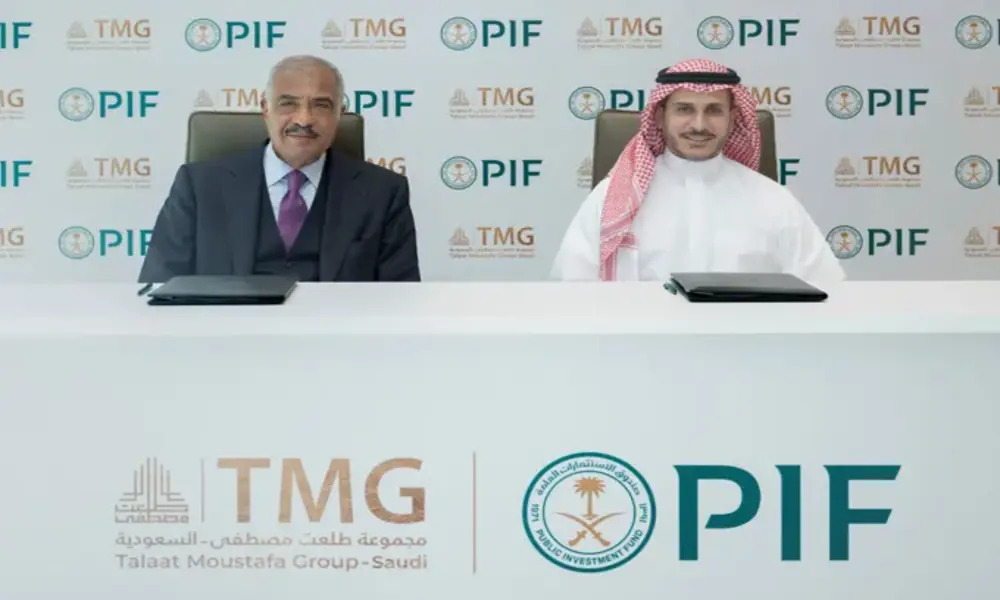

Saudi Arabia’s sovereign wealth fund PIF and Talaat Moustafa Group Saudi for Real Estate Development (TMG) have signed a MoU to explore opportunities, cooperate and collaborate in mixed-use real estate projects at developments owned by PIF and its projects across Saudi Arabia.
By leveraging PIF’s extensive investment capabilities, scale, and ecosystem, alongside TMG’s track record in delivering integrated mixed used developments, the parties aim to unlock opportunities across the residential, commercial, hospitality, and retail sectors, as well as integrated urban environments. The MoU will further accelerate project delivery and value creation for PIF and its projects, said the statement.
TMG brings extensive regional experience in delivering large scale integrated residential, commercial and hospitality projects across the region, enhancing the technical and managerial capacity of this collaboration.
The partnership will also create a collaborative framework that opens avenues for participation from additional investors to join future phases of projects, and foster knowledge transfers and expand private sector roles as investors, partners and suppliers, said PIF in a statement.

The agreement is part of PIF’s broader strategic goals to diversify Saudi Arabia’s economy. PIF continues to build regional and international partnerships, attract investments to maximise returns, and further unlock the capabilities of priority industries, it stated.
Within the urban development and livability ecosystem, PIF is investing in real estate projects in partnership with the private sector to maximise long-term value realisation and advance urban innovation.
Projects in this ecosystem will further enhance quality of life, modernise living and create people-centered sustainable cities through coordinated investments. PIF’s urban development ecosystem, one of 6 new ecosystems, includes housing, retail, office and community spaces and essential services, the statement added.
PIF leads the development of transformative giga-projects and landmark real estate initiatives across Saudi Arabia. It is contributing to the achievement of several national goals by 2030, including increasing housing ownership by Saudi citizens to 70%.
Source: MEConstructionNews
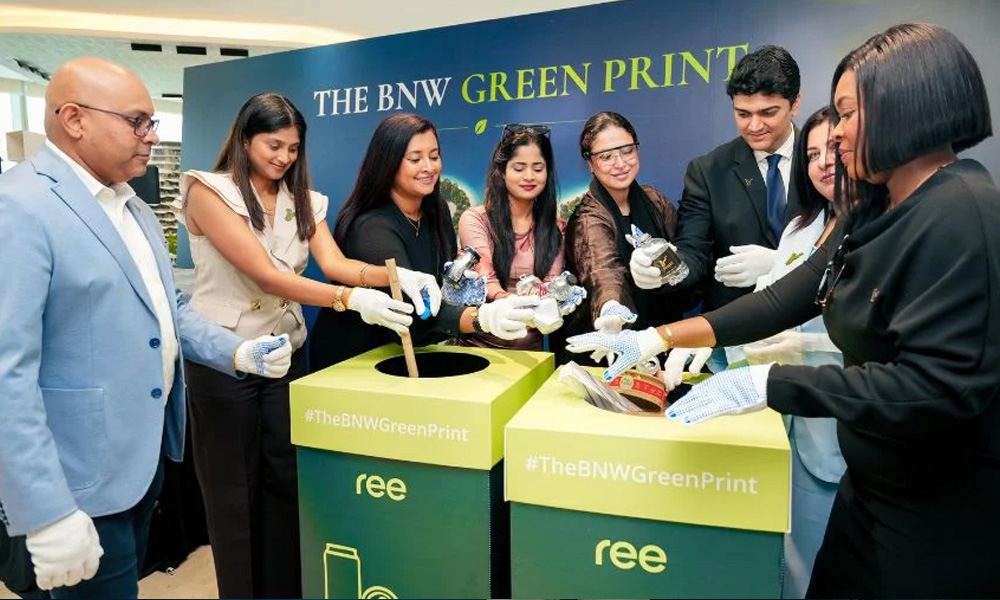

BNW Developments has launched ‘BNW Green Print’, which is billed as a comprehensive sustainability initiative that aims to integrate digital innovation and environmental responsibility into the company’s daily operations.
On World Environment Day 2026, BNW Developments launched a week-long program to demonstrate its dedication to promoting sustainable practices in the real estate industry. The company said it employed a dual strategy to minimise its environmental footprint and raise awareness, encouraging employee involvement throughout the program.
Central to this initiative is BNW Developments’ proactive approach to addressing paper waste, a significant environmental challenge that contributes to deforestation, water consumption, energy usage, and carbon emissions worldwide, the firm said.
Ankur Aggarwal, Chairman and Founder, BNW Developments said, “Sustainability is not a campaign for us; it is a conviction. The BNW Green Print is our way of saying that the places we build must give back to the planet they stand on. From the reduction of paper waste to the pins on our lapels, every act is intentional, and together, they add up to something that matters.”
As part of the program, BNW Developments has fully digitised its Sales Purchase Agreement (SPA) and Booking Form processes across its entire portfolio. This transition to a paperless system is anticipated to yield substantial environmental benefits, enabling the company to save 110,400 sheets of paper annually.

According to BNW, the initiative will eliminate an estimated 1.1t of paper waste each year while preventing roughly 2.91t of carbon dioxide emissions. The move also aligns with the growing adoption of digital-first solutions within the real estate industry, where operational efficiency and sustainability are becoming strategic priorities.
Team members took part in a recycling workshop that transformed discarded plastic bottle caps into lapel pins, creating a tangible symbol of the company’s sustainability goals. The exercise was designed to highlight the value of reusing materials, while reinforcing environmentally conscious behaviour in the workplace.
At the same time, employees across the organisation updated their LinkedIn banners with a unified sustainability message, amplifying the campaign’s reach and promoting collective environmental responsibility among professional networks.
The launch of The BNW Green Print signifies BNW Developments’ dedication to harmonising growth with environmental responsibility. As the company expands its reach, sustainability will remain at the core of its vision, with future projects crafted to offer both innovation and enduring environmental value.
Source: MEConstructionNews
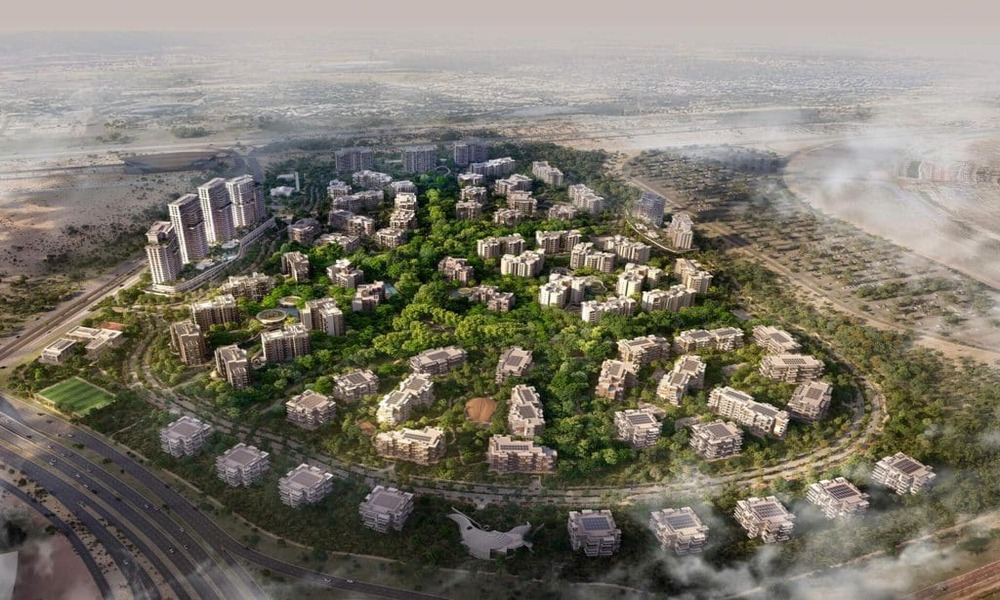

Majid Al Futtaim has awarded a US $544.56mn contract to ECC as the main contractor for Capria East and Capria West, including Maravelle Residences, at Ghaf Woods.
The appointment marks a major construction milestone for Ghaf Woods, which is said to be Dubai’s first forest living community. The move reinforces Majid Al Futtaim’s commitment to delivering sustainable, wellness-led destinations that bring together contemporary luxury living and nature-connected design, said a statement.
Designed around the principles of eco-luxury and wellbeing, Capria East and Capria West will offer a premium selection of 1-3 bedroom apartments, as well as duplex residences. Inspired by the UAE’s iconic Ghaf tree, the development integrates forest landscapes, wellness-focused amenities and energy-efficient architecture to create a more nature-connected way of living.
ECC brings 5-decades of local expertise, having been instrumental in defining the UAE construction landscape since 1975, when it first began delivering developments across the UAE and Gulf region, the statement noted.

Ahmed El Shamy, CEO of Majid Al Futtaim Properties said, “In preparation for the delivery of Capria East and West and Maravelle Residences at Ghaf Woods, we are proud to appoint ECC on a project of this stature. In redefining the residential landscape in Dubai, we will continue to partner with contractors that consider quality, innovation and sustainable development from a global best-practice perspective. In collaboration, we will create a community that raises the benchmark for holistic and nature-connected living.”
Nidal Hassoun, General Director of Engineering Contracting Company added, “Capria East and West represent a defining moment for residential development in Dubai, and we are proud to stand alongside Majid Al Futtaim in bringing this vision to life. Ghaf Woods is unlike any community of its kind in the region, and the trust placed in ECC to deliver Capria and Maravelle Residences reflects a shared commitment to quality, innovation and sustainable construction. We look forward to applying our expertise to create homes that connect residents with nature without compromising on the contemporary luxury they expect.”
Ghaf Woods comprises 11 distinctive clusters, designed around dense greenery, wellness-focused amenities and outdoor experiences that encourage a more connected, active and community-oriented lifestyle.
Source: MEConstructionNews
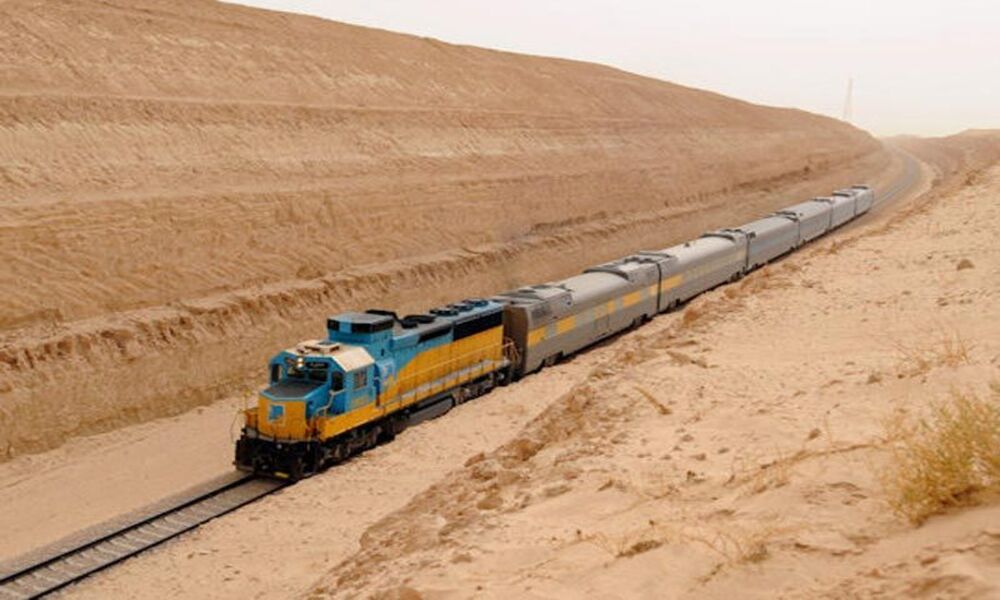

OHL Arabia and Hassan Allam Construction Saudi Limited Co have jointly been awarded a contract by Saudi Arabia Railways (SAR) to execute the construction works for the Dammam 2nd Industrial City Railway Connection Project.
The project is said to be a strategic transport link in the Eastern Province near the Arabian Gulf.
As a joint venture, OHL Arabia and Hassan Allam Construction Saudi Limited Co will deliver the full scope of civil and railway works, including the development of a 22.7km single-track railway supported by extensive civil foundations, earthworks, and track infrastructure.
The project also encompasses major structural components, notably a 265m bridge across Highway HW615 and a 118m bridge over the Aramco Pipeline Corridor. The scope also covers the installation of signalling and telecommunication systems, as well as all required works for the Saudi Electricity Company (SEC) to ensure full integration of the new line into the wider network.

The project represents an important milestone in the Kingdom’s expanding rail network and supports national efforts to elevate freight mobility, industrial integration, and logistical efficiency under Saudi Arabia’s long-term transportation and infrastructure expansion plans.
The Dammam 2nd Industrial City Railway Connection Project adds to Hassan Allam Holding’s growing portfolio of major transport and mobility developments across the region, the group said.
The company is currently involved in several strategic transit systems, including Cairo Metro Line 4 and the Alexandria Raml Tram in Egypt, the monorail serving Riyadh’s King Abdullah Financial District, and the Hafeet Rail connecting Oman and the UAE. Collectively, these projects demonstrate the company’s capability in delivering complex, multi-disciplinary rail and mobility infrastructure and reflect its ongoing contribution to strengthening regional connectivity and supporting long-term economic integration.
Source: MEConstructionNews